



PRF Academy
The Hidden Struggle in the Root Zone — The role of microorganisms, pathogens, and nutrient competition in the root environment regarding plant health.

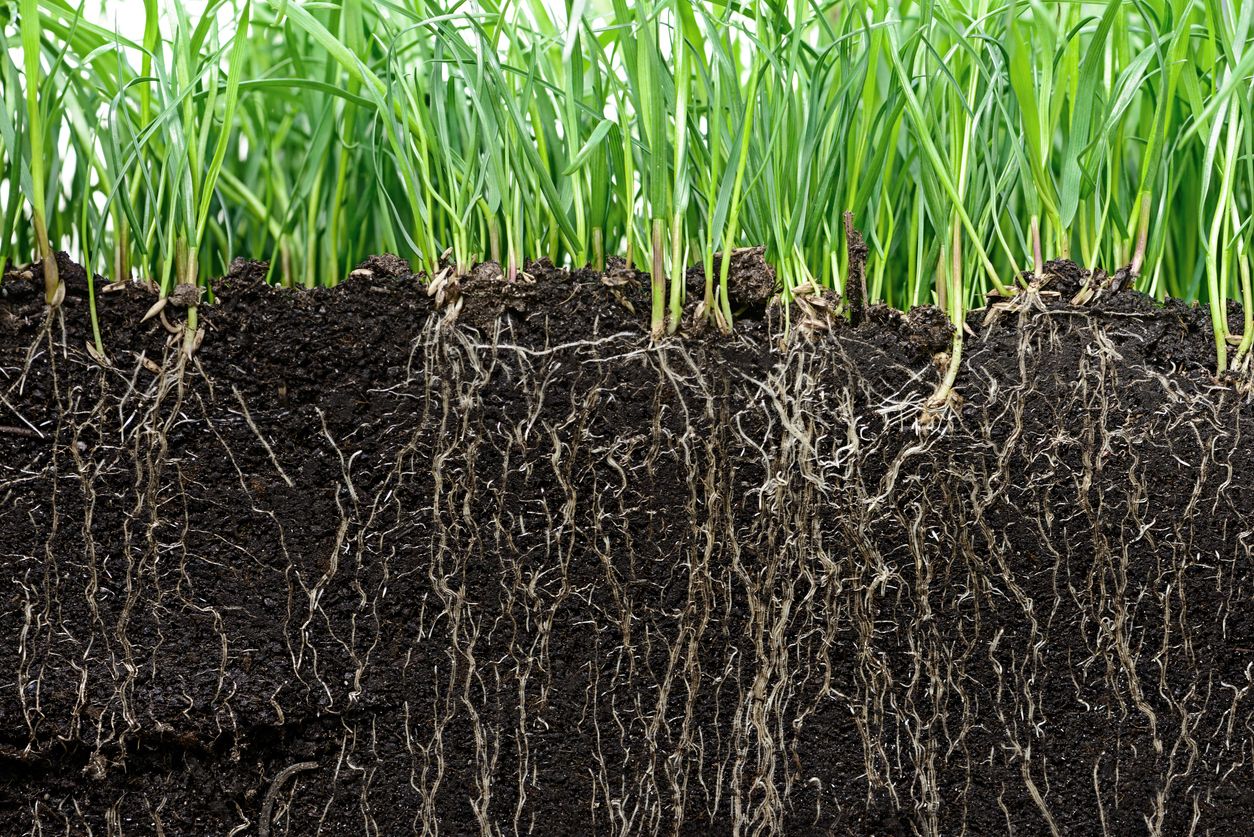
The root zone of a plant located underground is not merely an area for the uptake of water and nutrients; it is also a dynamic ecosystem characterized by continuous interactions among microorganisms, root exudates, and soil components. This region surrounding the roots is known as the “rhizosphere.” Organic compounds released by plant roots can influence the activity and community structure of rhizosphere microorganisms, thereby playing a role in nutrient uptake, plant growth, and resilience against environmental stresses.
Not all microorganisms found in the rhizosphere are harmful to the plant. Certain beneficial bacteria and fungi contribute to the decomposition of organic matter and the formation of nutrient forms that plants can utilize. For instance, specific species of *Bacillus*, *Pseudomonas*, and *Trichoderma* can colonize the root zone, helping to increase nutrient availability, trigger mechanisms that support root development, and compete with certain soil-borne pathogens. However, the effectiveness of these microorganisms depends on various factors, such as soil pH, moisture, temperature, organic matter content, and plant species.
Nutrient competition between the plant and microorganisms is a key factor in the dynamics of the root zone. There is often a discrepancy between the total amount of elements—such as phosphorus, iron, and certain micro-elements—present in the soil and the forms actually available for plant use; soil pH and chemical properties can significantly influence this availability. Furthermore, a high density of pathogenic microorganisms in the root zone can impair water and nutrient uptake; issues such as root rot, damage to vascular tissues, and stunted root growth can lead to developmental delays and yield losses in the plant’s aerial parts. Therefore, establishing a healthy root zone requires a holistic management approach that does not rely on a single input alone. It involves the combined consideration of soil analysis, appropriate pH and moisture management, sufficient organic matter, balanced fertilization, and—where necessary—biological solutions.”>The root zone of a plant located underground is not merely an area for the uptake of water and nutrients; it is also a dynamic ecosystem characterized by continuous interactions among microorganisms, root exudates, and soil components. This region surrounding the roots is known as the “rhizosphere.” Organic compounds released by plant roots can influence the activity and community structure of rhizosphere microorganisms, thereby playing a role in nutrient uptake, plant growth, and resilience against environmental stresses.
Not all microorganisms found in the rhizosphere are harmful to the plant. Certain beneficial bacteria and fungi contribute to the decomposition of organic matter and the formation of nutrient forms that plants can utilize. For instance, specific species of *Bacillus*, *Pseudomonas*, and *Trichoderma* can colonize the root zone, helping to increase nutrient availability, trigger mechanisms that support root development, and compete with certain soil-borne pathogens. However, the effectiveness of these microorganisms depends on various factors, such as soil pH, moisture, temperature, organic matter content, and plant species.
Nutrient competition between the plant and microorganisms is a key factor in the dynamics of the root zone. There is often a discrepancy between the total amount of elements—such as phosphorus, iron, and certain micro-elements—present in the soil and the forms actually available for plant use; soil pH and chemical properties can significantly influence this availability. Furthermore, a high density of pathogenic microorganisms in the root zone can impair water and nutrient uptake; issues such as root rot, damage to vascular tissues, and stunted root growth can lead to developmental delays and yield losses in the plant’s aerial parts. Therefore, establishing a healthy root zone requires a holistic management approach that does not rely on a single input alone. It involves the combined consideration of soil analysis, appropriate pH and moisture management, sufficient organic matter, balanced fertilization, and—where necessary—biological solutions.